Blog
March 6, 2025
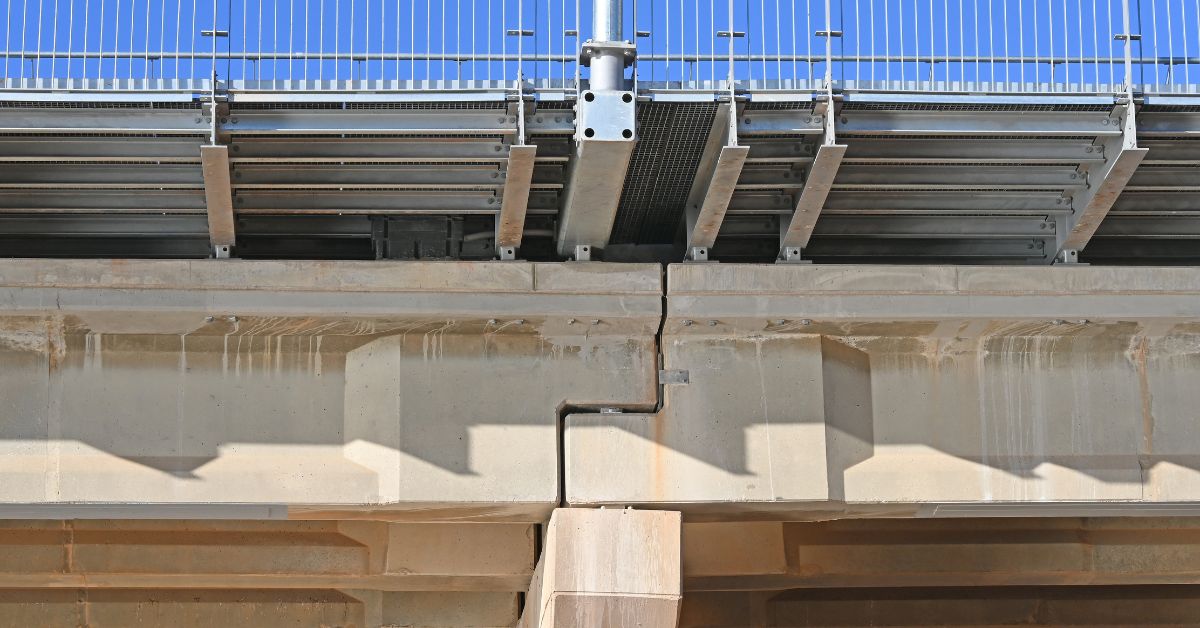
Expansion joints are essential for maintaining the stability and integrity of concrete structures. These joints allow for natural expansion and contraction of the concrete, which helps prevent cracking, buckling, and other damage due to temperature changes, moisture, and ground shifts. While expansion joints are ideally cut during the initial pour, older concrete slabs can sometimes benefit from retrofitted expansion joints. This guide explores the challenges, benefits, and methods of cutting expansion joints in old concrete, helping you understand when and how to approach this process.
Retrofitting expansion joints in existing concrete is a complex process that presents unique challenges. Unlike freshly poured concrete, old concrete has already hardened and adjusted to environmental stresses, which makes cutting through it more difficult. Retrofitting involves working with a solid structure, increasing the risk of accidental cracking or chipping along the cutting lines. Additionally, old concrete may have undergone shifts or developed hidden cracks, making precise cutting essential to avoid further damage.
Another challenge is the presence of reinforcements, such as rebar or mesh, in older concrete. Cutting through reinforced concrete requires specialised tools and experienced handling, as hitting embedded metal can damage saw blades and complicate the cutting process. These factors make retrofitting expansion joints in old concrete a project best suited for skilled professionals with the right equipment and experience.
There are specific situations where cutting expansion joints in older concrete is beneficial and even necessary:
In these cases, cutting expansion joints in existing concrete provides a proactive solution to manage pressure, movement, and potential cracking.
Cutting expansion joints in old concrete requires specific tools and techniques to ensure precision and minimise damage. Here’s an overview of the most effective methods:
Each of these methods has specific applications, and choosing the right one depends on the condition, thickness, and reinforcement of the existing concrete.
Cutting expansion joints in old concrete carries several risks, but with proper precautions, these can be managed:
By taking these precautions, contractors can ensure the process is as smooth and risk-free as possible.
Adding expansion joints to existing concrete can enhance its longevity and stability, especially when issues like cracking, buckling, or drainage problems are present. Although retrofitting expansion joints in old concrete can be challenging, proper tools, techniques, and experienced handling can ensure a successful outcome. By understanding the timing, benefits, and best practices for cutting expansion joints, property owners can make informed decisions that support the structural health of their concrete surfaces. Whether addressing existing issues or preventing future ones, well-placed expansion joints are a valuable investment in maintaining durable, resilient concrete.


 PO Box 192, Virginia, BC 4014
